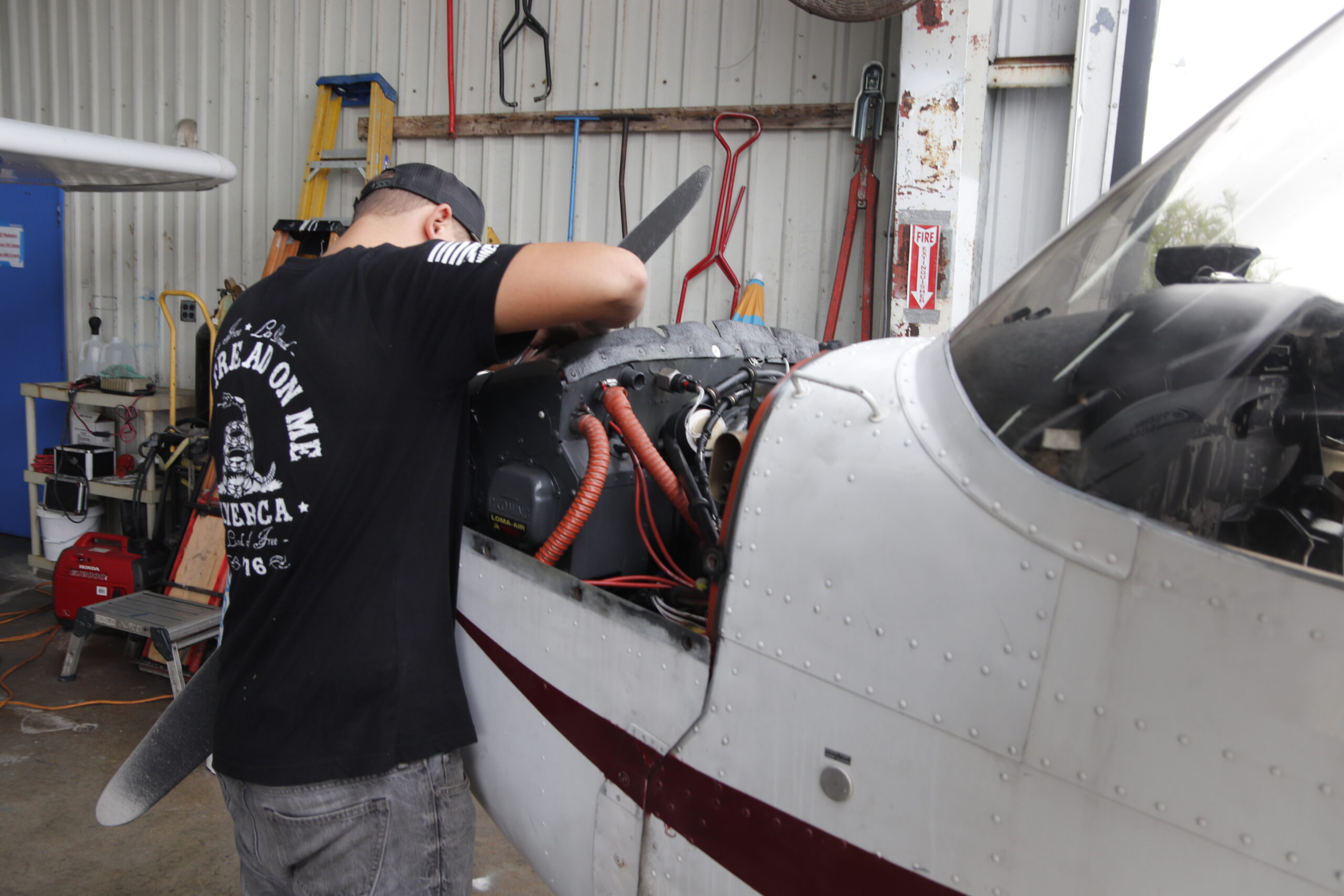
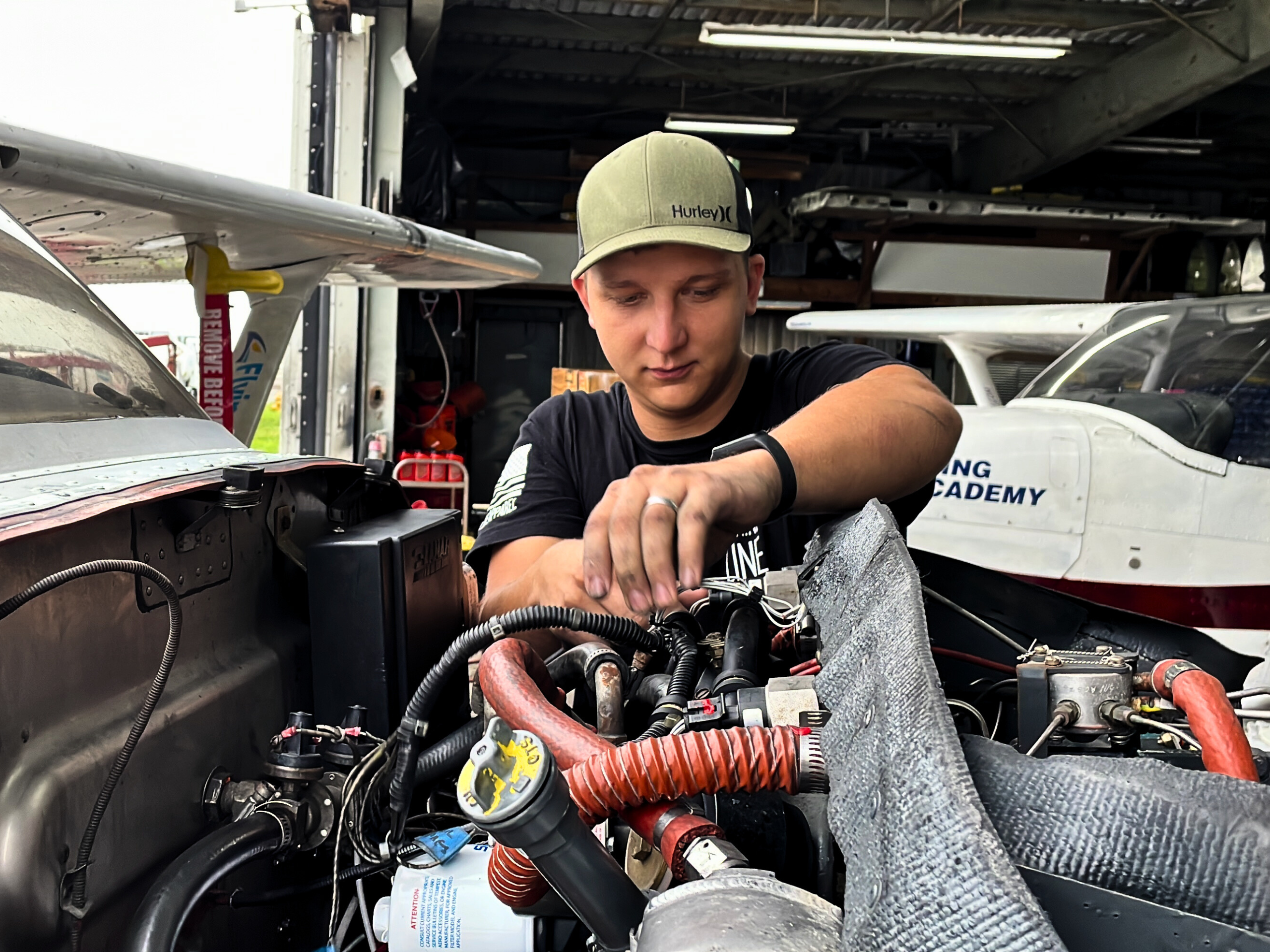
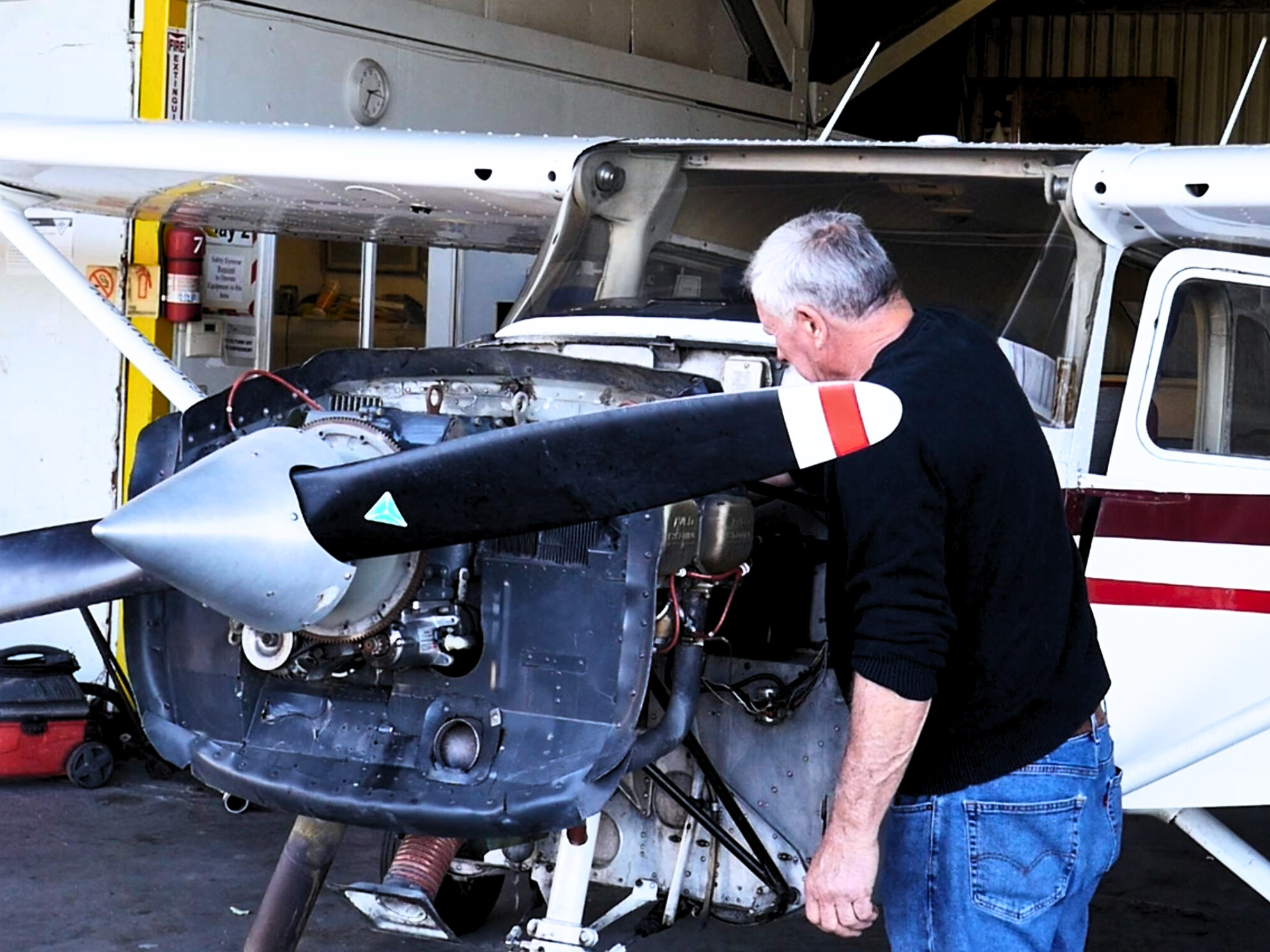
We are equipped to handle all levels of Lycoming engine repairs. From a propeller strike, internal metal contamination, or severe corrosion inspections, to troubleshooting complex running anomalies, our engineering team will execute precision diagnostics to get you safely back in the air. We are dedicated to rapidly determining exact engine requirements and providing absolute solutions for safe return to service.
As a certified engine repair facility, we frequently advise operators on handling engines that have experienced sudden stoppage or a hard propeller strike. Industry guidelines provide critical recommendations for addressing these events. These parameters emphasize that there may be severe hidden internal damage within the engine architecture following such incidents.
Based on extensive operational data, unseen damage from sudden stoppages or hard ground strikes frequently leads to subsequent catastrophic engine failures in flight. In specific documented cases, failures have been traced to an overstressed crankshaft gear dowel that eventually sheared, leading to total power loss.
Consequently, compliance with the mandatory inspection and repair procedures specified in Lycoming Service Bulletin No. 475C and FAA AD Note 91-14-22 is required. Furthermore, prop strikes can severely overstress connecting rod bolts. A failed rod bolt can result in devastating engine damage and potential fire.
After any prop strike or sudden stoppage, the incident must be documented in the engine logbook. Absolute best practices dictate that the only safe protocol is to completely remove, disassemble, and thoroughly inspect the engine’s reciprocating and rotating components via NDT testing. This operation must be performed by qualified engineering technicians familiar with the exact failure modes associated with these incidents.