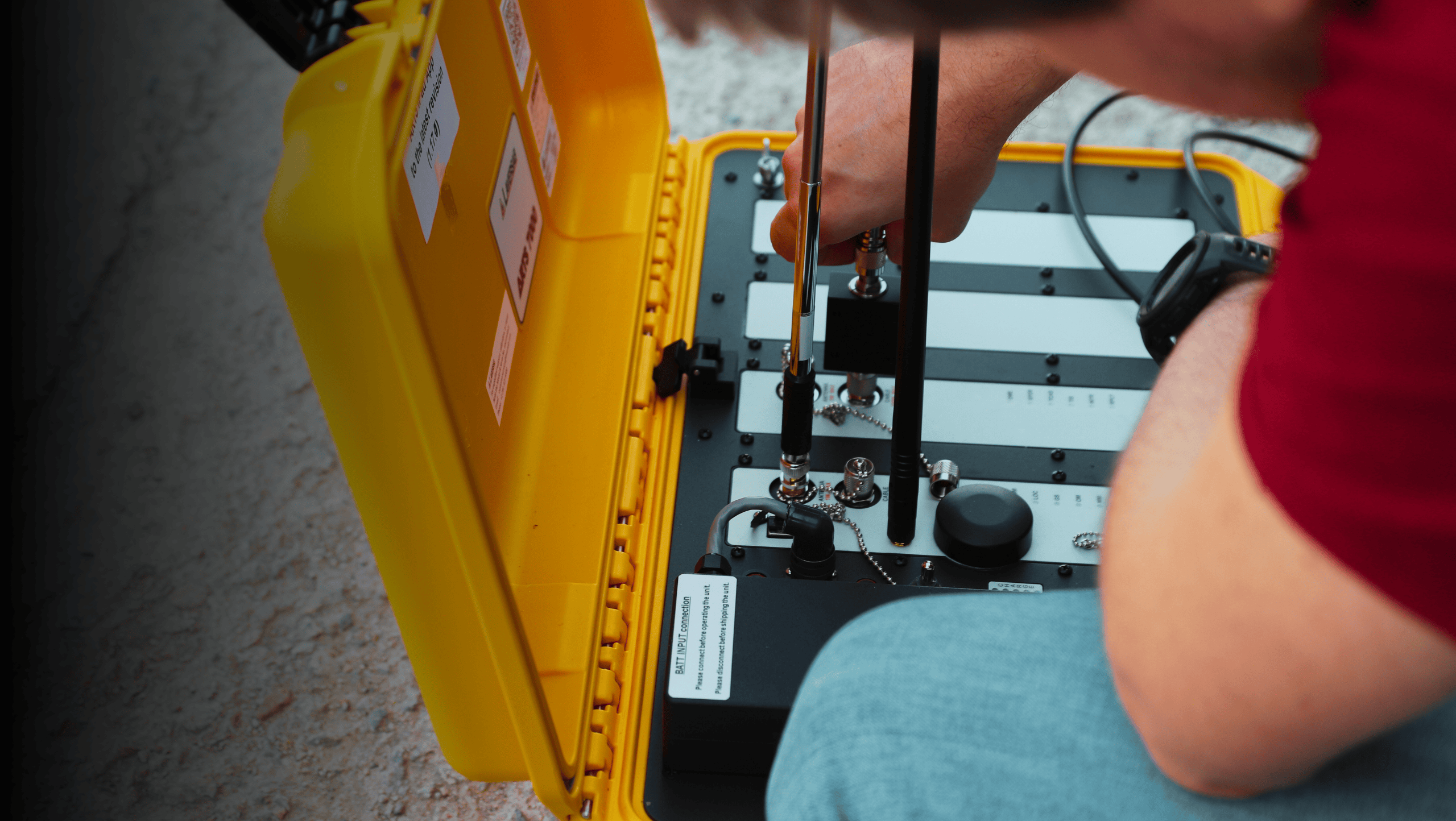
Avionics installation can be performed on a wide range of aircraft, including both fixed-wing airplanes and helicopters. However, the specific equipment and installation processes may vary based on the aircraft model and its existing systems.
The installation timeline depends on several factors, including the complexity of the avionics package, aircraft type, and any necessary modifications. Simple installations can be completed in a few days, while more complex projects may take several weeks or even months.
Yes, existing avionics systems can often be upgraded or replaced to take advantage of newer technology and features. Upgrades can enhance functionality, improve reliability, and ensure compliance with the latest regulations. However, compatibility and integration considerations should be evaluated before making any changes.
Avionics systems should undergo regular inspections and maintenance as per the manufacturer’s recommendations and applicable regulations. Routine checks, software updates, and component replacements may be required to ensure the systems are operating optimally and remain compliant.
Dealers are required to install and service most New Products purchased from Garmin. This applies to Factory New Garmin equipment purchased by a dealer from Garmin. Dealers may sell Garmin products over-the-counter (without dealer installation) in SV or OH condition.
As of 2022, the following Garmin products apply to this Installation Policy:
MIMO stands for Multiple Input Multiple Output communications utilizing a single antenna configuration.
Avionics issues can range from electrical failures to communication and navigation system malfunctions. Common problems include instrument panel failures, radio communication issues, GPS signal loss, autopilot anomalies, and faulty transponders. Our technical documentation provides guidance to help address these challenges.
We possess expertise in testing avionics systems across various aircraft types, including commercial airliners, business jets, helicopters, and general aviation aircraft. Our team is proficient in testing communication, navigation, surveillance, autopilot, weather radar, and other avionic subsystems.
We adhere to stringent quality control measures to ensure the accuracy and reliability of our avionics testing. Our technicians are highly skilled and undergo regular training to stay updated with the latest industry standards. We utilize state-of-the-art testing equipment and follow strict industry best practices.
We offer both on-site and in-facility avionics testing services. Our mobile testing units are equipped to conduct on-site testing, minimizing downtime and logistics challenges. Alternatively, you can bring your aircraft to our facility for comprehensive diagnostics.
The duration depends on the complexity of the aircraft’s avionics systems and the specific tests required. We strive to provide efficient services to minimize operational disruption. Our team provides an estimated timeline based on the scope of work during the initial technical consultation.
Following avionics testing, we provide detailed technical reports outlining the test results, including any anomalies detected. Our reports are comprehensive, serving as a reference for maintenance and troubleshooting. We also provide recommendations for necessary repairs or further diagnostic testing.
Absolutely. We strictly adhere to EASA/FAA regulations and industry standards in all our avionics testing processes. Our team maintains current knowledge of regulatory requirements to ensure absolute compliance.
To request a quote, reach out to our team via phone or email. Provide details about your specific testing needs, including aircraft type and avionics systems involved. Our engineering team will assess your requirements and provide a detailed specification quote.
Czech Republic
